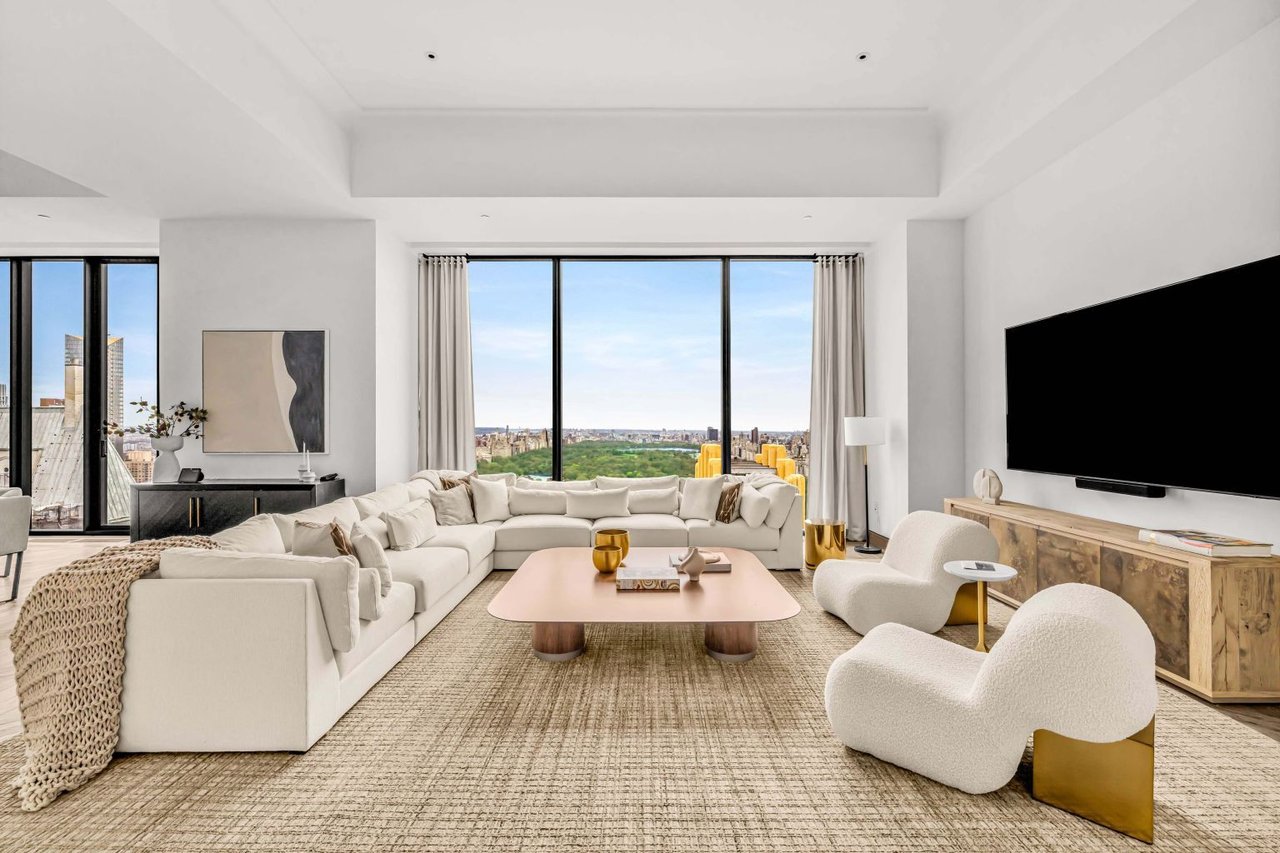
Whether you're listing a studio apartment or a five-bedroom family home, strategic staging can be the single most powerful tool in your selling arsenal. This guide covers every room, every budget, and every mistake to avoid so you sell faster, and for more.
By the Numbers: 88% of buyers' agents say staging affects buyer perception. Staged homes sell up to 73% faster and for 1–5% more than comparable unstaged properties.
1. Why Home Staging Still Matters in 2026
The real estate market has evolved significantly over the past few years. Higher interest rates have cooled buyer frenzy in many markets, meaning your home is now competing harder than ever for serious, qualified buyers. In this environment, presentation isn't optional, it's your competitive edge.
According to the National Association of Realtors, staged homes spend significantly less time on the market and command higher sale prices than comparable unstaged properties. In 2026, with more listings available and buyers taking more time to make decisions, the homes that sell quickly are the ones that create an emotional connection from the very first showing or even the first online photo.
"Buyers decide within 90 seconds of entering a home whether they can picture themselves living there. Staging controls that first impression before a word is spoken."
Beyond dollars and days on market, staging also dramatically improves your listing photography and in 2026, the vast majority of buyers begin their home search online. A beautifully staged home photographs spectacularly, attracting more clicks, more showings, and ultimately, more competing offers.
The Psychology Behind Staging
Staging works because buying a home is an emotional decision dressed up in financial logic. When buyers walk into a perfectly staged home, they stop thinking about square footage and start imagining birthday dinners, lazy Sunday mornings, and holiday gatherings. That emotional leap, from "house" to "home" is what staging is designed to trigger.
The goal isn't to deceive buyers; it's to present your home's best, most livable version so buyers can envision their own lives unfolding within those walls.
2. Before You Stage: The Non-Negotiables
Before a single throw pillow is fluffed or a candle lit, there are foundational steps every seller must complete. Staging on top of a home that needs repairs or a deep clean is like applying lipstick on a cracked wall, buyers will see right through it.
Repairs Come First
Walk through your home with fresh eyes or better yet, ask a brutally honest friend to do it with you. Note every dripping faucet, scuffed baseboard, sticky door, cracked tile, and peeling caulk. These small defects signal to buyers that the home hasn't been well-maintained, raising red flags about larger, hidden issues.
Pre-Staging Repair Checklist:
- Fix all leaking faucets and running toilets
- Repair holes, cracks, and dings in drywall
- Replace burned-out lightbulbs (every single one)
- Oil squeaky hinges and fix sticky doors/windows
- Re-caulk bathrooms, showers, and kitchen sinks
- Patch and paint any scuffed walls or trim
- Fix loose railings, wobbly cabinet handles, and stuck drawers
- Address any visible water stains on ceilings or walls
Deep Clean Everything
A spotlessly clean home signals care, pride of ownership, and move-in readiness. Consider hiring a professional cleaning service for a top-to-bottom clean before showings begin. Pay special attention to kitchens, bathrooms, baseboards, window sills, and ceiling fans areas buyers actively inspect.
Pro Tip: Hire a professional window cleaning service before listing. Clean windows dramatically improve natural light and curb appeal, yet they're one of the most overlooked pre-listing tasks. It typically costs $150–$300 and is worth every penny in listing photos.
Consider a Pre-Listing Inspection
Spending $300–$500 on a pre-listing inspection can save you thousands in renegotiations later. When buyers discover issues during their own inspection, they often request significant credits or price reductions or walk away entirely. Knowing what you're working with upfront lets you repair, disclose, or price accordingly.
3. Curb Appeal & First Impressions
Buyers form their first impression before they even open the front door. Curb appeal sets the emotional tone for the entire showing a welcoming exterior creates excitement, while a neglected one creates skepticism that's hard to overcome, no matter how beautiful the interior is.
Exterior Essentials
- Pressure wash the driveway, walkways, and exterior walls
- Mow, edge, and fertilize the lawn; reseed bare patches
- Trim all hedges, trees, and overgrown shrubs
- Plant seasonal flowers in beds or containers near the entrance
- Paint or replace the front door, consider bold but tasteful colors
- Polish or replace house numbers, door hardware, and mailbox
- Sweep porches, decks, and patios; stage with furniture if applicable
- Clear gutters and ensure downspouts are intact and directed away from the foundation
- Hide garbage cans, garden hoses, and lawn equipment
"A freshly painted front door can yield an average return of 188% — making it one of the highest-ROI improvements in real estate staging."
The Front Porch Moment
If your home has a porch or stoop, style it. A pair of potted topiaries flanking the door, a clean new welcome mat, and a coordinated outdoor seating set (if space allows) instantly communicates warmth and lifestyle. This is the first "room" buyers experience, and it should feel intentional.
Pro Tip: Take a photo from across the street — the exact vantage point your listing's hero photo will be shot from. If anything looks cluttered, overgrown, or mismatched at that distance, address it. Buyers browsing online will see exactly that view first.
4. Living Room Staging Strategies
The living room is typically the first interior space buyers see and evaluate. It needs to feel spacious, light-filled, and inviting — a place where a buyer can immediately imagine entertaining friends or unwinding after work.
Furniture Arrangement
One of the most common staging mistakes is leaving furniture pushed against every wall. Pull seating inward to create a conversational grouping centered around a focal point — a fireplace, a view window, or a television wall. This counterintuitive move actually makes rooms feel larger and more purposeful.
- Remove at least 30–50% of furniture to open the space
- Ensure clear traffic flow through the room (no furniture blocking pathways)
- Use a rug to anchor the seating area — it defines the space and adds warmth
- Symmetry reads as luxury: matching side tables, matching lamps, balanced arrangements
- Limit throw pillows to 2–3 per sofa in coordinating neutral tones
- Add a low, simple coffee table centerpiece: a tray with a candle, small plant, and book
Color & Accessories
Neutral walls are still your best friend in 2026 — but "neutral" has evolved beyond stark white. Warm greiges, soft sage greens, and creamy whites are the top performing palette choices in today's market. They read as fresh and contemporary while appealing to the broadest range of buyers.
Avoid This: Don't paint every room the same shade of white. Buyers find it sterile and forgettable. Layer warm neutrals with natural textures — linen, jute, wood — to create a home that feels curated, not clinical.
5. Kitchen & Dining Room Tips
Kitchens sell homes. Period. Buyers scrutinize kitchens more than any other room, and the good news is that you don't need a full renovation to make yours shine — strategic staging can make even an older kitchen feel fresh and functional.
Kitchen Counter Discipline
The golden rule: clear 80% of your countertops. Most sellers drastically under-edit their kitchen surfaces. Pack away the toaster, coffee maker, knife block, paper towel holder, fruit bowl, and every other appliance and knickknack. Leave only 1–2 carefully chosen items: perhaps a beautiful cutting board, a small potted herb, or a simple bowl of fresh lemons.
Kitchen Staging Checklist
- Deep clean oven, refrigerator exterior, and dishwasher front
- Replace old or mismatched cabinet hardware with brushed nickel or matte black
- Paint outdated cabinets in a timeless color (white, navy, sage, or warm gray)
- Replace worn faucets — a new faucet costs $80–$200 and is instantly noticeable
- Remove personal items from the refrigerator (magnets, children's art, calendars)
- Add a simple vase of fresh flowers or greenery on the island or table
- Set the dining table as if guests are coming — placemats, simple centerpiece, coordinated chairs
Pro Tip: If your kitchen has dated laminate countertops, consider a professional resurfacing or contact paper update before investing in full replacement. Many resurfacing products now offer stone-look finishes for a fraction of the cost of new countertops, and they can meaningfully improve listing photos.
6. Bedroom Staging Done Right
Bedrooms should feel like a retreat — calm, clean, and aspirational. Buyers are imagining their own sleep sanctuary, so your goal is to create a hotel-quality atmosphere that feels simultaneously luxurious and universally appealing.
The Bed is Everything
Invest in crisp, high-quality white or ivory bedding if you don't already have it. White bedding photographs beautifully, reads as clean and luxurious, and provides a neutral canvas that appeals to all buyers. Add 2–4 Euro pillows behind your sleeping pillows for a layered, upscale hotel look.
Bedroom Staging Checklist:
- Use a quality duvet or comforter — it's the room's focal point
- Add layered pillows in neutral coordinates (white + a subtle texture or pattern)
- Place matching nightstands with matching lamps on either side
- Clear nightstands of personal items — leave only a lamp, a small plant, and perhaps one book
- Remove all personal photos, trophies, children's toys, and exercise equipment
- Ensure closets are at least 50% empty — buyers always open closets
- Add a folded throw blanket at the foot of the bed for warmth and texture
Children's Rooms
Children's rooms present a particular challenge: they're often heavily personalized, colorfully painted, and full of toys and gear. For staging, the goal is to dial back the personal and lean into the aspirational. Remove two-thirds of the toys, pack away the gear, and let the room's size and natural light take center stage.
7. Bathrooms: Small Space, Big Impact
Bathrooms receive intense buyer scrutiny relative to their size. Buyers equate bathroom quality with the overall maintenance of the home so a clean, sparkling, well-staged bathroom says everything about how the house has been cared for.
Bathroom Staging Checklist
- Deep clean tile grout, dirty grout is one of the biggest buyer turn-offs
- Replace shower curtain and liner with a fresh, neutral or white set
- Clear all personal items from counters, shower shelves, and tub edges
- Stage with a coordinated set: white fluffy towels, a candle, a small plant, simple soap dispenser
- Replace toilet seat if stained or dated — they cost $25–$80 and make a visible difference
- Re-caulk around tub, shower, and sink if existing caulk is discolored or cracked
- Polish faucets, mirrors, and fixtures to a gleam
- Add a small framed print or piece of wall art to make the room feel intentional
Pro Tip: Roll your white bath towels and stack them in an open-shelf vanity, or hang them on a ladder towel rack for a spa-like presentation. This simple styling choice transforms a basic bathroom into something that feels designed and indulgent.
8. Decluttering & Depersonalizing
If there's one staging principle that trumps everything else, it's this: less is more. Clutter is the single biggest obstacle to buyers connecting emotionally with a home. It makes spaces feel smaller, darker, and harder to imagine as their own.
Depersonalizing Your Home
Buyers need to imagine their own lives in your home — which is nearly impossible if the walls are covered in your family photos, the shelves are lined with your vacation souvenirs, and the entryway is a gallery of your children's school portraits.
This isn't about erasing your personality; it's about creating a neutral canvas. Remove family photos, religious items, political memorabilia, and highly personalized art. Replace them with generic but attractive prints, mirrors, or abstract art that appeals broadly.
The Storage Solution
Where does everything go? Rent a storage unit for the duration of your listing. This is one of the best investments you can make during the selling process. Move out approximately one-third of your furniture, two-thirds of your clothing (buyers always check closets), and 80% of decorative items. Your home will immediately feel larger, lighter, and more appealing.
Avoid This: Don't hide clutter in closets, garages, or the basement. Buyers open every door and inspect every storage space. A packed closet tells buyers there isn't enough storage, one of the most common deal-breakers, especially for younger buyers.
9. Lighting: The Secret Weapon
Light transforms spaces more dramatically than almost any other element. A dark home feels smaller, colder, and less inviting, while a bright, layered-light home feels expansive, warm, and move-in ready.
Maximize Natural Light
- Clean all windows inside and out
- Remove heavy, dark drapes and replace with sheer panels or simple blinds
- Trim any exterior shrubs or tree branches blocking windows
- Use mirrors strategically to reflect light and make rooms feel larger
Layer Artificial Light
For showings, every light in the home should be on. Create layers: overhead fixtures for general light, floor and table lamps for ambient warmth, and under-cabinet lighting in kitchens where possible. In 2026, warm-white LED bulbs (2700K–3000K) are standard, avoid the cold blue light of older LEDs which can make spaces feel clinical.
Pro Tip: Replace all bulbs with matching warm-white LEDs at the same color temperature. Mismatched bulb temperatures in a single room look amateurish in listing photos and distract buyers during showings. This takes less than an hour and costs under $50 for most homes.
10. Budget Staging: Maximum ROI
Staging doesn't have to cost a fortune. The most impactful staging changes are often the least expensive — deep cleaning, decluttering, and rearranging existing furniture cost almost nothing and deliver substantial results.
Staging Budget Guide
| Budget Level | Estimated Spend | Key Actions | Expected Impact |
|---|---|---|---|
| DIY Essentials | $0–$500 | Deep clean, declutter, rearrange furniture, replace bulbs, fresh flowers | Significant improvement in photos & showings |
| Strategic Updates | $500–$2,000 | Paint key rooms, new hardware, updated fixtures, refresh bedding & towels, rent storage | Noticeably more polished, market-ready appearance |
| Professional Staging | $2,000–$5,000 | Hire a professional stager, rent furniture for key rooms, professional photography | Premium presentation; typically highest % return |
| Full Service | $5,000+ | Complete staging package, drone photography, 3D virtual tour, luxury rentals | Best for luxury properties; maximum online presence |
Highest-ROI Staging Investments
Fresh Paint
- ROI: 107–187%
- Cost: $300–$1,500 (DIY to professional)
- Focus: Living areas & primary bedroom first
- Best colors: Warm neutrals — greige, cream, soft sage
Front Door
- ROI: Up to 188%
- Cost: $50–$200 to paint; $400–$800 for replacement
- Top colors: Black, navy, forest green, deep red
- Include new hardware and house numbers for maximum impact
Lighting Updates
- ROI: High (difficult to quantify exactly)
- Cost: $100–$600
- Priority: Replace outdated fixtures in kitchen and dining areas; add floor lamps to dark corners
Bathroom Refresh
- ROI: 102%+
- Cost: $200–$800
- Focus: New hardware, fixtures, re-caulking
- Styling: White towels, candle, small plant
11. Virtual Staging in 2026
Virtual staging has matured dramatically. What was once obviously fake, furniture that didn't match lighting, shadows in the wrong direction, has become remarkably photorealistic. For vacant homes, virtual staging is now a genuinely compelling alternative to physical staging, often at a fraction of the cost.
Modern AI-powered virtual staging services can transform empty room photos into fully furnished, beautifully styled spaces for $50–$200 per room. These images are used exclusively in online listings and marketing materials; the home must still be disclosed as virtually staged.
When Virtual Staging Makes Sense
- The home is vacant and physical staging is cost-prohibitive
- You're selling a new construction or investment property
- You want to show multiple design possibilities in the same space
- The property is in a market where most buyers begin their search online
Important Warning: Never use virtually staged photos without clear disclosure in the listing. Many MLS systems now require a "virtually staged" label on such images. Undisclosed virtual staging can damage trust with buyers and potentially expose you to legal issues.
12. Staging Mistakes That Cost Sellers Money
Even well-intentioned staging can backfire. These are the most common and most costly mistakes sellers make:
-
Over-personalizing: Your home should appeal to buyers, not reflect your taste. Highly personalized spaces limit your buyer pool significantly.
-
Ignoring odors: Pet odors, cooking smells, and musty basement smells are immediate deal-killers. Have someone smell your home before every showing you've likely gone nose-blind to scents you live with daily.
-
Over-staging with trendy decor: Staging that's too on-trend can date quickly and polarize buyers. Stick to timeless, broadly appealing aesthetics.
-
Staging only for photos: Listing photos are critical, but the home must look equally good in person. Buyers who feel deceived by photos will lose trust immediately.
-
Neglecting secondary spaces: Laundry rooms, garages, basements, and home offices matter more than sellers realize. These are often the deciding spaces for buyers on the fence.
-
Using cheap replacement fixtures: A $15 light fixture replacement can look worse than the original. Invest a little more for quality that reads as an intentional upgrade.
-
Staging a cluttered home: Staging doesn't fix clutter. Declutter first always.
13. Your Complete Pre-Listing Staging Checklist
Use this room-by-room checklist in the final days before your listing goes live.
Exterior
- [ ] Lawn mowed and edged
- [ ] Walkway pressure washed
- [ ] Front door painted or cleaned
- [ ] New welcome mat
- [ ] Seasonal flowers in pots near entrance
- [ ] All exterior lights functioning
- [ ] Garbage cans and hoses hidden
Living Room
- [ ] Furniture edited and rearranged
- [ ] Personal photos removed
- [ ] All surfaces cleared
- [ ] Every light on
- [ ] Rug centered and clean
- [ ] Fresh flowers or greenery added
Kitchen
- [ ] Counters 80% cleared
- [ ] Appliances polished
- [ ] Refrigerator cleared of magnets
- [ ] Under-sink area organized
- [ ] Fresh flowers on island or counter
- [ ] Dining table set
Bedrooms
- [ ] Fresh, white bedding
- [ ] Layered hotel-style pillows
- [ ] Nightstands matched and styled
- [ ] Closets at least half-empty
- [ ] Personal items removed
- [ ] Floors completely clear
Bathrooms
- [ ] Counters cleared completely
- [ ] White towels displayed
- [ ] Mirrors polished
- [ ] Grout clean and bright
- [ ] Soap dispenser staged
- [ ] Small plant or candle added
Whole Home
- [ ] Every lightbulb working
- [ ] All odors neutralized
- [ ] HVAC filter replaced
- [ ] Temperature set to 68–72°F
- [ ] Pets and all pet items removed for showings
FAQ: Your Home Staging Questions Answered
1. How much does home staging cost, and is it worth it?
Home staging costs vary widely depending on your approach. DIY staging can cost as little as $0–$500 if you're primarily decluttering, rearranging furniture, and adding fresh flowers. Partial professional staging, where a stager advises you and focuses on key rooms, typically runs $500–$2,000. Full professional staging with furniture rental can cost $2,000–$5,000 or more for larger homes.
Is it worth it? Consistently, yes. Studies show staged homes sell 73% faster on average and for 1–5% more than comparable unstaged homes. For a $400,000 home, a 2% price increase represents $8,000 far exceeding the cost of professional staging.
2. Should I hire a professional stager or do it myself?
It depends on your home, budget, and comfort level. Professional staging is strongly recommended for luxury properties ($700K+), vacant homes, homes with awkward layouts, or sellers who are emotionally attached to their décor.
For average-priced homes in good condition, a hybrid approach works well: hire a stager for a consultation (typically $150–$300 for 1–2 hours of advice), then implement their recommendations yourself. A good stager will give you a detailed action plan. Many sellers are surprised by how actionable and transformative a single consultation can be without the expense of full service.
3. What rooms should I prioritize if I have a limited budget?
In order of priority: (1) Living room — it's the first room buyers see and the most photographed. (2) Kitchen — buyers scrutinize kitchens more than any other space. (3) Primary bedroom — it's an emotional, aspirational space. (4) Primary bathroom — small but heavily inspected.
If budget is tight, focus every dollar on these four rooms and ensure the exterior is clean and welcoming. Secondary bedrooms, laundry rooms, and basement spaces matter, but they won't lose you a sale the way a poorly presented kitchen or living room can.
4. Do I need to repaint my entire house before listing?
Not necessarily. If your paint is in good condition and in reasonably neutral, inoffensive tones, you may only need touch-ups. However, if you have bold, dark, or highly personalized wall colors especially in main living areas, repainting is highly recommended and typically offers an exceptional return on investment.
Warm neutral tones are the gold standard: think soft greige, warm white, gentle sage, or light taupe. Avoid stark white (it reads cold in photos) and avoid trendy shades that may polarize buyers. If you're only painting select rooms, make sure the colors flow cohesively between spaces.
5. How should I handle pets when staging and showing my home?
Pets are one of the trickiest staging challenges because their impact is so significant. Pet odors are among the top buyer turn-offs, even for buyers who own pets themselves, because unfamiliar pet smells signal an unknown level of cleanliness and potential damage.
For every showing: remove all pets from the home (arrange for a neighbor, dog walker, or sitter). Remove all pet equipment — beds, bowls, litter boxes, crates, and toys. Have the home professionally cleaned with an enzyme-based cleaner that neutralizes pet odors. Consider having the carpets professionally cleaned and deodorized. Ask a friend who doesn't own a pet to smell-test your home before showings you may have gone nose-blind to odors you live with daily.
6. Is virtual staging as effective as physical staging?
Virtual staging is extremely effective for online listing photos, which is where the vast majority of buyers first encounter your home. Modern AI-powered virtual staging is highly photorealistic and can make empty rooms look beautifully furnished for $50–$200 per image.
However, virtual staging has a significant limitation: the home must be disclosed as virtually staged, and buyers who visit in person will see an empty or unfurnished space. This disconnect can be jarring and may make it harder for buyers to emotionally connect during the showing. For vacant homes, virtual staging for online photos paired with a few key pieces of real furniture or décor for in-person showings is an effective, cost-efficient compromise.
7. How long before listing should I start the staging process?
Ideally, begin your staging process 4–6 weeks before your target listing date. This gives you time to complete necessary repairs (weeks 1–2), deep clean and declutter (weeks 2–3), paint and make cosmetic updates (weeks 3–4), and arrange staging furniture and accessories before scheduling professional photography (weeks 4–5).
Rushing the process leads to staging that looks incomplete or haphazard. If you're on a tight timeline, prioritize in this order: repairs → cleaning → decluttering → paint → staging. Even two weeks of focused effort can dramatically improve a home's presentation.
8. Will staging help if my home is in a seller's market?
Yes, perhaps even more than you'd expect. While it's true that in a hot seller's market homes sell quickly regardless, staging still influences how much buyers are willing to pay and how many competing offers you receive.
Staged homes in seller's markets often attract multiple offers, create bidding wars, and sell above asking price, outcomes that significantly outperform comparable unstaged homes even in favorable conditions. Staging is never wasted investment; in a seller's market, it maximizes the advantage you already have.
9. What scents should I use (or avoid) during showings?
Scent is powerful and deeply personal, which is exactly why you should approach it conservatively. The goal is neutral, not fragrant. Overpowering air fresheners, scented candles, or diffusers can trigger allergies, headaches, and immediate suspicion from buyers wondering what odor is being masked.
The best approach: eliminate all bad odors first (pets, cooking, mustiness, smoke). If you want a subtle ambient scent, opt for fresh citrus, a light linen, or fresh-baked goods for an open house. Avoid heavy floral, tropical, or synthetic fragrances. Freshly brewed coffee and subtle vanilla are classically well-received. When in doubt, clean air is always better than any added scent.
10. Does staging work for condos and smaller homes?
Absolutely, and in many ways, staging is even more critical for smaller homes and condos because every inch matters. Buyers of compact spaces are particularly sensitive to clutter, poor furniture scale, and dark lighting. A small condo that's expertly staged can feel surprisingly spacious; an unstaged one of the same square footage can feel cramped and unworkable.
For smaller spaces: choose furniture that's properly scaled (avoid oversized sofas that dwarf the room), use mirrors to expand the perceived size, keep color palettes light and cohesive, and declutter aggressively. The ROI on staging small spaces is consistently strong because buyers are often emotionally committed to the lifestyle a well-presented urban or compact home represents.
Ready to list your home? Learn everything you need to know about selling your New Jersey home fast and getting top dollar.