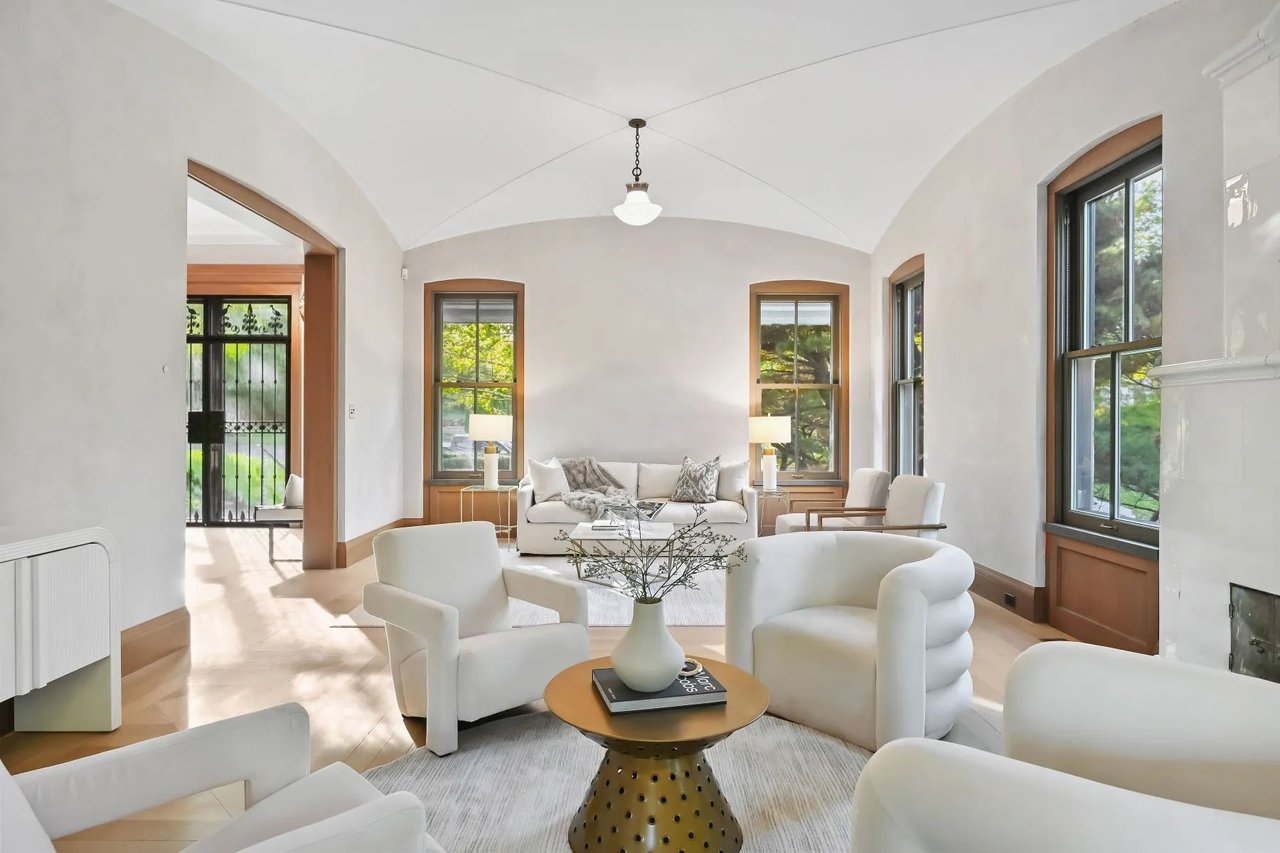
When you're preparing to sell your home, first impressions matter. Before buyers fall in love with the layout, kitchen, backyard, or neighborhood, they're forming an impression based on how the home looks and feels the moment they walk through the door.
That's where home staging comes in.
A well-staged home can help buyers visualize themselves living in the property, highlight its best features, make rooms feel more spacious, and create a polished presentation across listing photos, videos, and showings.
If you're preparing to sell a home in New Jersey—particularly in competitive markets such as Short Hills, Millburn, Westfield, Summit, Berkeley Heights, New Providence, South Orange, Watchung, and surrounding communities—strategic staging can be an important part of your overall selling strategy.
But staging doesn't necessarily mean spending thousands of dollars on furniture and renovations.
The goal is to make your home feel clean, inviting, spacious, neutral, and move-in ready, while showcasing the features that make your property special.
Here's how to stage your home like a pro.
What Is Home Staging?
Home staging is the process of preparing and presenting a property for sale so it appeals to the largest possible number of potential buyers.
Staging can include:
- Decluttering
- Depersonalizing
- Rearranging furniture
- Improving lighting
- Deep cleaning
- Updating décor
- Making minor repairs
- Improving curb appeal
- Adding or removing furniture
- Using neutral colors
- Professionally styling rooms
- Bringing in rental furniture or accessories when appropriate
The purpose isn't to completely transform your home.
Instead, staging helps showcase the home's potential.
Think of it as presenting your property in its best possible light.
Why Home Staging Is Important
Today's buyers often begin their search online.
That means your home's first impression may happen before a buyer ever steps through the front door.
Professional photography, video, virtual tours, and online listings make presentation more important than ever.
Staging Can Help Your Listing Photos Stand Out
A cluttered room can look smaller in photographs.
A well-arranged room can look brighter, larger, and more inviting.
Since many buyers scroll through dozens of listings before deciding which properties to tour, strong photography and presentation can help generate more interest.
Staging Helps Buyers Visualize the Space
An empty room can sometimes leave buyers wondering:
"What would I do with this space?"
Furniture and thoughtful décor can demonstrate how a room could function.
A small sitting area can show an unused corner's potential.
A properly furnished dining room can help buyers understand the scale of the space.
Staging Highlights Your Home's Best Features
If your home has:
- Large windows
- Architectural details
- A beautiful fireplace
- High ceilings
- Hardwood floors
- A renovated kitchen
- A luxurious primary suite
- An impressive outdoor space
Your staging strategy should draw attention to those features.
Staging Can Help Create an Emotional Connection
Buying a home is both a financial and emotional decision.
Buyers need to be able to imagine themselves living there.
A clean, comfortable, beautifully presented home can make that visualization easier.
Staging May Help Your Home Sell More Competitively
Staging doesn't guarantee a higher sale price or faster sale.
However, strategic preparation can help your property make a stronger first impression and potentially attract more qualified buyers.
The biggest benefit is often presenting the home in a way that makes buyers want to see it in person.
Tips for Staging Your Home Like a Pro
You don't necessarily need to completely renovate your home before selling. In many cases, strategic improvements can make a significant difference.
1. Declutter Before You List
One of the most important staging steps is removing unnecessary belongings.
Go room by room and ask:
"Would a buyer see this as a feature—or as clutter?"
Consider removing:
- Excess furniture
- Collections
- Knickknacks
- Overflowing bookshelves
- Countertop appliances
- Excess clothing
- Children's toys
- Paperwork
- Personal photographs
You don't have to throw anything away.
Consider packing items and storing them off-site until you move.
2. Depersonalize the Space
Buyers need to imagine their life in the home.
Highly personal décor can make that more difficult.
Consider temporarily storing:
- Family photographs
- Personalized signs
- Children's artwork
- Religious or political décor
- Highly distinctive artwork
- Excess personal collections
Your home should feel warm and inviting without feeling overly personalized.
3. Remove Excess Furniture
More furniture doesn't necessarily make a room feel more luxurious.
In many cases, less furniture makes a room appear larger.
Remove pieces that:
- Block walkways
- Make rooms feel crowded
- Hide architectural features
- Make furniture placement awkward
Aim for comfortable, functional spaces with plenty of room to move.
4. Deep Clean Everything
A clean home communicates that the property has been cared for.
Don't overlook:
- Windows
- Baseboards
- Light fixtures
- Ceiling fans
- Appliances
- Cabinets
- Grout
- Floors
- Closets
- Garages
- Basements
- Outdoor areas
If possible, consider hiring a professional cleaning service before photography and showings.
5. Improve Lighting
Good lighting can dramatically change how a room feels.
Open curtains and blinds and allow natural light in whenever possible.
Replace burned-out bulbs and consider consistent bulb color throughout the home.
Turn on lights before showings so the home feels bright and welcoming.
6. Use Neutral Colors
You don't necessarily need to repaint every room.
However, if you have extremely bold or unusual colors, a neutral palette may make the property more appealing to a broader audience.
Soft whites, warm neutrals, light grays, and understated tones can create a clean and timeless backdrop.
7. Don't Forget the Exterior
Your home's exterior is the first physical impression buyers receive.
Focus on:
- Lawn care
- Landscaping
- Mulching
- Trimming bushes
- Cleaning the front door
- Power washing
- Removing weeds
- Cleaning outdoor furniture
- Updating house numbers if needed
- Adding simple seasonal décor
A well-maintained exterior can make buyers more excited to see what's inside.
8. Make Small Repairs
Before listing, walk through your home as though you're seeing it for the first time.
Look for:
- Loose handles
- Squeaky doors
- Broken light switches
- Dripping faucets
- Damaged trim
- Scuffed walls
- Missing hardware
- Burned-out bulbs
Small issues can create the impression that a home hasn't been maintained.
9. Stage for Your Target Buyer
Not every home needs the same staging strategy.
A luxury home may benefit from sophisticated, understated furnishings.
A family home may benefit from showing practical living spaces.
A condominium may benefit from emphasizing efficient use of space.
Your staging strategy should reflect the property, neighborhood, price point, and likely buyer.
How to Stage Your Home Room-By-Room
The Entryway
The entryway sets the tone for the entire home.
Keep it:
- Clean
- Bright
- Uncluttered
- Welcoming
Remove excessive shoes, coats, bags, and personal belongings.
If appropriate, add a simple mirror, console table, artwork, or tasteful greenery.
The Living Room
The living room should feel comfortable and spacious.
Try:
- Removing excess furniture
- Arranging furniture around a focal point
- Opening curtains
- Adding tasteful pillows
- Removing excessive décor
- Creating clear walking paths
Don't push every piece of furniture against the walls simply because that's how you normally use the room.
The goal is to demonstrate how the space functions.
The Kitchen
The kitchen is one of the most important rooms when selling a home.
Start by clearing the countertops.
Remove:
- Small appliances
- Food packaging
- Excess utensils
- Dish racks
- Personal items
Then clean:
- Countertops
- Cabinets
- Appliances
- Sink
- Floors
- Backsplash
- Hardware
If your kitchen is dated, ask your REALTOR® whether smaller improvements such as updated hardware, paint, or lighting could provide a worthwhile return before considering a major renovation.
The Dining Room
Keep the dining room elegant and simple.
A properly sized table, clean chairs, and a simple centerpiece can help buyers visualize entertaining.
Avoid overcrowding the table with elaborate décor.
The Primary Bedroom
Your primary bedroom should feel peaceful and inviting.
Consider:
- Crisp bedding
- Neutral colors
- Matching bedside lamps
- Minimal nightstand décor
- Making the bed every day
- Removing excess furniture
- Organizing closets
The goal is to create a retreat-like atmosphere.
Secondary Bedrooms
Each bedroom should clearly communicate its purpose.
If possible, avoid turning every extra bedroom into a storage room.
A bedroom staged as an office, guest room, or child's room can help buyers understand how the space can be used.
Bathrooms
Bathrooms should feel exceptionally clean.
Pay attention to:
- Mirrors
- Fixtures
- Grout
- Shower doors
- Countertops
- Floors
- Towels
- Lighting
Remove personal toiletries and excessive countertop items.
Fresh, neutral towels can create a polished look.
Basement
Don't overlook your basement.
If it's finished, stage it according to its best use:
- Family room
- Home office
- Gym
- Playroom
- Entertainment area
- Guest space
If it's unfinished, make sure it is clean, organized, well-lit, and free of unnecessary storage.
Home Office
With remote and hybrid work continuing to influence how buyers evaluate homes, a dedicated office can be a valuable feature.
Keep the space clean and functional.
A desk, comfortable chair, appropriate lighting, and minimal décor may be enough.
Outdoor Spaces
Don't treat your backyard, patio, deck, or terrace as an afterthought.
Outdoor spaces can be a major selling feature, particularly in New Jersey.
Consider adding:
- Clean outdoor furniture
- Simple cushions
- Potted plants
- Outdoor lighting
- A clean grill area
- A dining or seating arrangement
The goal is to help buyers envision themselves enjoying the space.
Should You Hire a Professional Home Stager?
It depends on your property and your selling strategy.
Some homes benefit tremendously from professional staging, while others may simply need decluttering, cleaning, rearranging, and a few strategic updates.
A professional stager can help with:
- Furniture placement
- Color recommendations
- Décor
- Room styling
- Rental furniture
- Accessory selection
- Creating a cohesive look throughout the home
Your REALTOR® should be able to help you determine whether professional staging makes sense based on your home's price point, condition, location, and target buyer.
Is Your Home Staged to Sell?
Before your home hits the market, walk through it as if you were a buyer seeing it for the first time.
Ask yourself:
Does the home feel clean?
Does each room have a clear purpose?
Can buyers easily imagine themselves living here?
Are the home's best features visible?
Does the home photograph well?
Is there too much furniture?
Is there too much personal décor?
Does the exterior make a strong first impression?
Have obvious repairs been addressed?
If the answer to these questions is yes, you're already ahead of many sellers.
Remember, staging isn't about hiding your home's imperfections or creating a fake lifestyle. It's about presenting your property strategically so buyers can appreciate its space, features, condition, and potential.
The Bottom Line: Stage With Strategy, Not Just Style
The goal of home staging isn't simply to make your house look pretty.
It's to create a presentation that helps buyers recognize the value of the property.
The best staging strategy combines:
Decluttering + Cleaning + Repairs + Lighting + Furniture Placement + Curb Appeal + Professional Photography
When these elements work together, your home can make a significantly stronger impression both online and in person.
If you're preparing to sell a home in New Jersey, don't wait until your property is already on the market to think about staging.
A thoughtful pre-listing strategy can help you determine what to change, what to leave alone, and where your money is most likely to make an impact.
Frequently Asked Questions:
1. Does staging a home really help it sell?
Staging can help improve a home's presentation and make it easier for buyers to visualize living there. It doesn't guarantee a higher sale price or faster sale, but it can be an effective component of a comprehensive marketing strategy.
2. How much does it cost to stage a home?
The cost varies significantly depending on the property, location, amount of furniture needed, length of the staging period, and whether you're using existing furnishings or renting everything. Some homes only need consultation and rearranging, while others benefit from full professional staging.
3. Should I stage my home if it's already furnished?
Yes. A furnished home can still benefit from staging. A professional stager or REALTOR® may recommend removing furniture, rearranging pieces, changing accessories, or adding specific items to improve flow and presentation.
4. Should I renovate before selling my home?
Not necessarily. Major renovations aren't always the best investment immediately before selling. In many cases, smaller improvements—such as painting, updating hardware, improving lighting, or addressing visible maintenance issues—may make more sense. Your REALTOR® can help you evaluate improvements based on your local market and likely buyer.
5. What should I remove when staging my house?
Start with anything that makes the home feel crowded or overly personal. This can include excess furniture, family photographs, collections, countertop appliances, excessive décor, paperwork, toys, and unnecessary belongings.
6. What room should I stage first when selling a home?
Start with the rooms that have the greatest influence on buyers, typically the living room, kitchen, primary bedroom, and outdoor spaces. However, the right priority depends on the individual property.
7. Should I stage my home before professional photography?
Absolutely. Ideally, your home should be fully staged, cleaned, and ready before professional photography. Your listing photos create one of the first impressions buyers have of your property, so it's important that the home looks its best before photographs are taken.
Thinking About Selling Your New Jersey Home?
Preparing your home properly before it hits the market can make a meaningful difference in how buyers experience your property.
If you're considering selling in Westfield, Summit, Short Hills, Millburn, Berkeley Heights, New Providence, South Orange, Watchung, or surrounding New Jersey communities, I can help you develop a personalized pre-listing and home-staging strategy based on your property's condition, price point, neighborhood, and target buyer.
From determining which improvements are worth making to coordinating professional photography and creating a sophisticated marketing strategy, every detail matters when you're preparing to sell.
Katherine Barrera, guides buyers and sellers through every step of the closing process across New Jersey. We coordinate with attorneys, lenders, inspectors, and title companies to keep your deal on track. Thinking about selling? Let's discuss how to position your home for the market and maximize its appeal.
Contact Katherine Barrera to start your next transaction with an agent that knows how to get you to closing day.