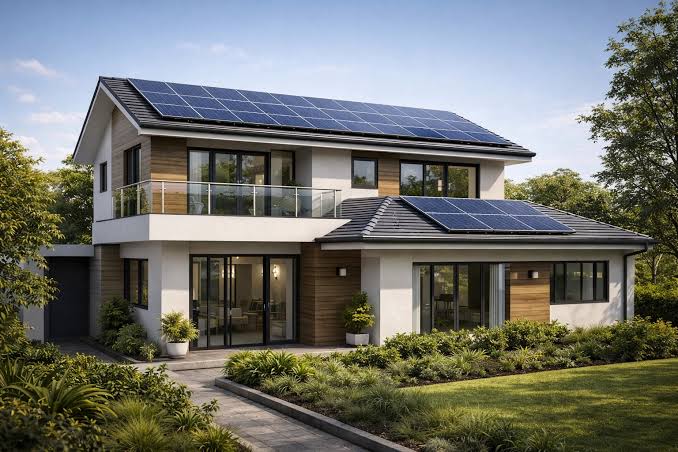
Solar panels can be an attractive feature for homeowners looking to reduce energy costs and increase energy efficiency. But when it comes time to sell a house with solar panels, the process can be more complicated than selling a traditional home.
Buyers may see solar panels as a valuable upgrade, while others may have questions about financing, ownership, maintenance, warranties, or whether they will be required to take over a solar lease or loan.
If you're considering selling a house with solar panels in New Jersey, understanding the financial and practical considerations before putting your home on the market can help you avoid surprises and position the property more effectively.
Whether your solar panels are fully owned, financed, leased, or subject to a power purchase agreement (PPA), here's what homeowners should know before selling.
Pros & Cons of Selling a House With Solar Panels
Solar panels can be a selling point, but they can also create additional questions during the transaction.
Pros of Selling a Home With Solar Panels
Potential energy savings
One of the biggest advantages of solar panels is the potential to reduce electricity costs. A home with a history of lower utility bills may be attractive to buyers who want greater energy efficiency and predictable energy expenses.
Energy-efficient home feature
Solar panels can make a home stand out in a competitive New Jersey real estate market. Buyers who prioritize sustainability, energy efficiency, and long-term operating costs may appreciate having solar already installed.
Potential increase in buyer appeal
A professionally installed solar system can be viewed as an improvement to the property, particularly when the system is owned outright and the seller can provide documentation showing its performance and history.
Potential financial benefits
Depending on the system, ownership structure, energy production, and local utility arrangements, solar panels may provide meaningful long-term financial benefits to the homeowner.
Cons of Selling a Home With Solar Panels
Financing can complicate the sale
If the solar system is financed, the remaining loan balance may need to be addressed during the transaction. Some solar loans can remain with the property, while others may need to be paid off.
Leases and PPAs can create additional steps
If the solar panels are leased or subject to a PPA, the buyer may need to qualify to assume the agreement. Not every buyer will be comfortable taking on a long-term solar contract.
Buyers may have concerns about the roof
Buyers sometimes wonder whether solar panels have affected the roof or whether the panels will need to be removed if the roof requires replacement.
Providing documentation about the roof, installation, warranties, and maintenance can help address these concerns.
Additional paperwork
Solar transactions can involve contracts, warranties, financing documents, production information, permits, utility records, and transfer requirements.
The key is to organize these documents before listing the home rather than waiting until you're already under contract.
Financial Considerations
One of the most important questions when selling a home with solar panels is:
Who owns the solar panels?
Your answer can significantly affect the sale.
If You Own the Solar Panels
If you purchased your solar system outright and there is no outstanding financing, the transaction is generally more straightforward.
The solar panels are typically treated as part of the property, and you can market the system as an energy-efficient feature of the home.
You should still gather:
- Installation documentation
- Warranties
- Permits
- Utility information
- Maintenance records
- System specifications
- Recent energy-production information
- Information about any transferable warranties
If You Have a Solar Loan
If you financed the solar panels, determine the current loan balance and understand the lender's requirements before listing.
Depending on the terms of the loan, you may need to pay the balance at closing or determine whether the financing can be transferred or assumed by the buyer.
This should be addressed early in the listing process so it doesn't become an unexpected obstacle during negotiations.
If Your Solar Panels Are Leased
With a solar lease, you generally do not own the panels. Instead, you pay the solar company according to the terms of the lease.
When selling your home, the buyer may need to assume the lease.
This can create an additional qualification step because the solar company may have requirements that the buyer must satisfy before the agreement can be transferred.
A buyer who is interested in your home may still hesitate if they don't understand the contract or don't want to assume another long-term payment.
If You Have a Power Purchase Agreement (PPA)
A PPA is another arrangement in which the homeowner does not necessarily own the solar equipment.
Instead, the solar provider typically owns the system and sells the electricity generated by the system to the homeowner under the terms of the agreement.
When selling, the buyer may need to assume the PPA.
Make sure you understand:
- The current payment structure
- The remaining term
- Any annual price increases
- Transfer requirements
- Buyout provisions
- Whether the agreement can be terminated before closing
How Solar Panels Can Affect Your Home's Value
Solar panels don't automatically add a specific dollar amount to every home.
Their impact on value can depend on factors such as:
- Whether the system is owned or leased
- Age and condition of the panels
- Remaining warranty
- Energy production
- Utility costs
- Financing terms
- Local buyer demand
- Comparable sales
- Remaining solar loan balance
- Roof condition
For a New Jersey seller, it's important to evaluate the solar system as part of the overall property, rather than assuming the original installation cost equals the amount it will add to the home's market value.
Can You Move With Your Solar Panels?
In most cases, physically taking solar panels with you when you sell your home is not the simplest option.
If you own the system, removing it would typically involve a professional solar contractor, and the removal could affect the roof, electrical system, permits, warranties, and future resale considerations.
If the panels are leased or subject to a PPA, you generally cannot simply remove them yourself because the solar company owns the equipment.
Before deciding to remove or transfer a solar system, review your contract and speak with the solar provider.
What If You're Buying Another Home?
If you're selling one home and purchasing another, ask your solar company whether your agreement can be transferred, terminated, bought out, or otherwise handled as part of the sale.
Your solar provider may have specific requirements and fees.
Do not assume that your solar agreement automatically follows you to your next home.
Get the answer in writing before listing your current property.
What to Tell Buyers
Transparency is particularly important when selling a home with solar panels.
A buyer's agent will likely want information about the system during the transaction, so having everything prepared can make the process much smoother.
Provide the Solar Agreement
If the system is leased or financed, provide a copy of the current agreement and clearly identify:
- Monthly payment
- Remaining balance
- Remaining contract term
- Escalation clauses, if applicable
- Transfer requirements
- Buyout options
- Warranty information
- Maintenance responsibilities
Explain the Ownership Structure
Make it clear whether the solar panels are:
Owned outright: You own the equipment.
Financed: You own the equipment but have an outstanding solar loan.
Leased: A solar company owns the equipment and you make lease payments.
PPA: A solar provider owns the equipment and you pay for the electricity produced under the agreement.
This distinction can have a major impact on a buyer's decision.
Share Energy Information
If available, provide buyers with historical information showing the system's energy production and utility savings.
Actual data can be much more useful than simply telling buyers that the home has "solar."
Address Roof Questions
If your roof is relatively new and the solar installation documentation is available, make that information part of your marketing and disclosure strategy.
If the roof is older, be prepared for buyers to ask what happens if the roof needs replacement.
Having documentation from the solar installer can help answer questions about panel removal and reinstallation.
Making the Most of Solar Panels
If you're preparing to sell a home with solar panels, don't simply mention "solar panels" in the listing and leave it at that.
Instead, identify the features and benefits that matter to buyers.
Highlight Energy Efficiency
Depending on the available documentation, your marketing may be able to emphasize features such as:
- Solar energy system
- Energy-efficient improvements
- Potentially reduced electricity costs
- Renewable energy
- Energy-conscious home improvements
Avoid making specific savings claims unless they can be supported by documentation.
Gather Documentation Before Listing
Before putting your home on the market, collect your solar paperwork.
Create a simple solar information package containing:
- Solar contract or purchase agreement
- Loan information, if applicable
- Lease or PPA agreement, if applicable
- Warranty documents
- Installation records
- Permits
- Maintenance records
- Recent utility bills
- Energy-production information
- Solar company contact information
This can make it much easier for your real estate agent to answer questions from prospective buyers.
Understand Your Net Proceeds
If you have an outstanding solar loan, don't focus solely on the home's sale price.
You should also understand how the solar loan payoff could affect your estimated net proceeds.
For example, a seller may expect to receive a certain amount from the sale but discover that the remaining solar loan balance must be paid at closing.
A seller net sheet that accounts for commissions, closing costs, taxes, credits, mortgage payoff, and any solar payoff can give you a much clearer picture.
Work With Your REALTOR® Early
Selling a house with solar panels requires more preparation than simply placing the property on the MLS.
Your REALTOR®, attorney, title company, lender, and solar provider may all have roles depending on how the system was purchased or financed.
Starting the conversation early can help prevent delays once you have a buyer.
Selling a House With Solar Panels in New Jersey
New Jersey homeowners have embraced solar energy, making solar-equipped properties increasingly common throughout the state.
However, every solar installation is different.
A home in Westfield, Summit, Short Hills, Millburn, Berkeley Heights, New Providence, South Orange, Watchung, or another New Jersey community may have completely different solar financing, ownership, utility, and installation arrangements.
That's why sellers should avoid assuming that another homeowner's experience will be identical to theirs.
Before listing, determine exactly what you own, what you owe, and what a buyer will be required to assume.
The Bottom Line
Selling a house with solar panels can be a significant advantage when the system is properly documented and presented—but it can also create complications if the ownership or financing terms aren't clear.
The best time to review your solar agreement is before you list your home, not after you receive an offer.
Understanding the system's value, remaining financial obligations, transfer requirements, and potential buyer concerns can help you price and market your home more strategically and reduce the possibility of surprises during the transaction.
If you're considering selling a home with solar panels in New Jersey, a knowledgeable local REALTOR® can help you understand how the solar system may factor into your marketing strategy, pricing, negotiations, and overall sale.
Frequently Asked Questions:
1. Do solar panels increase the value of a home?
They can, but the impact varies by property and solar system. Factors such as ownership, system age, energy production, financing, warranties, and local market demand can all affect how buyers and appraisers view the system.
2. Is it harder to sell a house with solar panels?
Not necessarily. Solar panels can be attractive to buyers interested in energy efficiency and potentially lower electricity costs. However, leased or financed systems can make the transaction more complicated because of transfer or payoff requirements.
3. What happens to my solar loan when I sell my house?
It depends on your loan agreement. You may need to pay the remaining balance at closing, or the buyer may potentially be able to assume the financing if permitted. Contact your solar lender early in the selling process to understand the requirements.
4. Can a buyer refuse to take over my solar lease?
A buyer is not required to agree to a solar lease simply because it is attached to the property. If the buyer doesn't want to assume the agreement, you may need to explore other options with the solar provider, such as a buyout or other approved transfer arrangement.
5. Should I remove my solar panels before selling?
Usually, removing solar panels solely to sell a home is not the first option to consider. Removal can involve additional costs and may affect the roof, electrical system, warranties, and permits. Review your solar agreement and consult the solar provider before making a decision.
6. Do I need to disclose solar panels when selling my house?
You should be transparent about the solar system and any related financial or contractual obligations. Your buyer and the professionals involved in the transaction will generally need accurate information about ownership, financing, leases, PPAs, warranties, and other relevant agreements.
7. Should I sell my house with solar panels or wait?
The right decision depends on your financial situation, the local real estate market, the condition of your home, your solar agreement, and your plans for the future. A detailed market analysis and seller net sheet can help you determine whether selling now makes financial sense.
Ready to Sell Your New Jersey Home With Solar Panels?
Selling a home with solar panels requires thoughtful preparation—but when properly documented and marketed, solar can be a valuable feature that helps differentiate your property.
If you're considering selling in New Jersey, I can help you evaluate your home's market position, prepare for buyer questions, and develop a strategic marketing plan designed around your property's unique features.
Katherine Barrera, guides buyers and sellers through every step of the closing process across New Jersey. We coordinate with attorneys, lenders, inspectors, and title companies to keep your deal on track.
Contact Katherine Barrera to start your next transaction with an agent that knows how to get you to closing day.