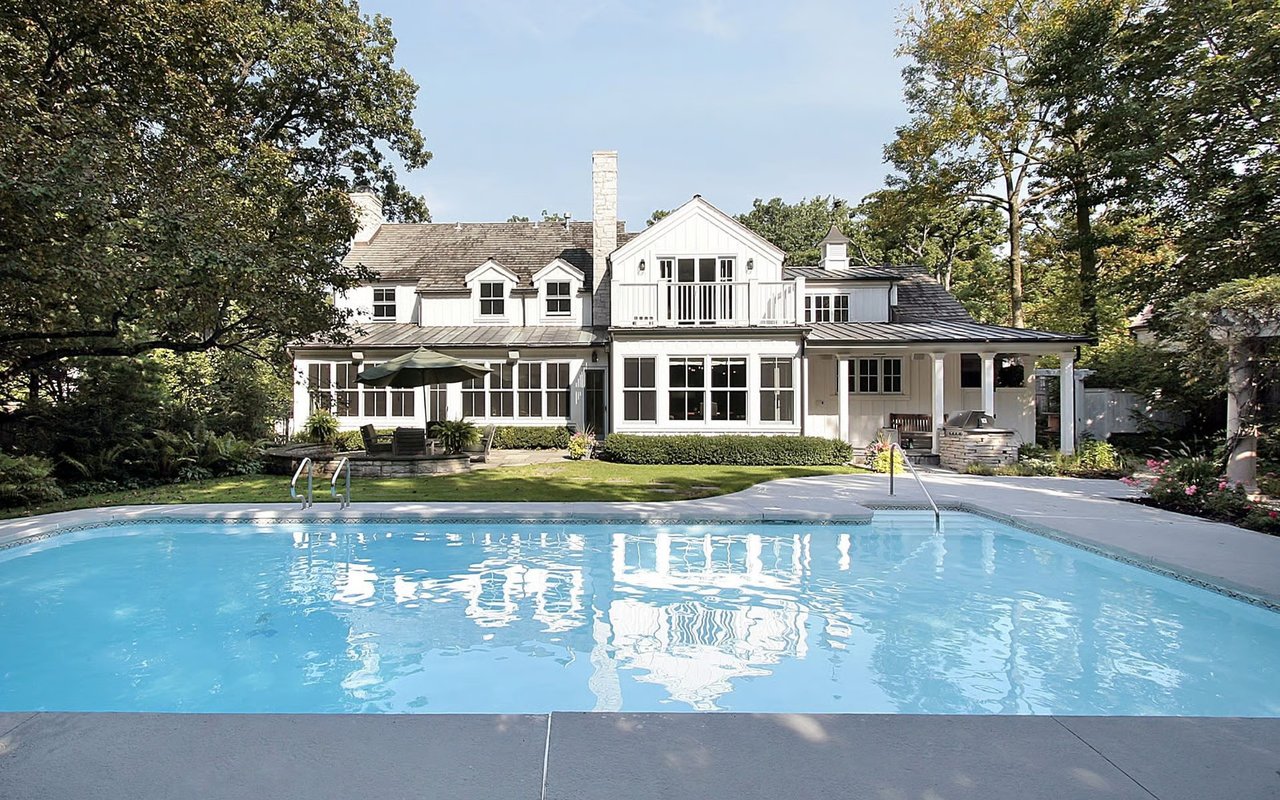
5 Things to Consider Before Buying a Home With a Pool in New Jersey
A swimming pool can be a fantastic feature that enhances your lifestyle, provides entertainment, and creates a private backyard retreat. However, purchasing a home with a pool involves more than simply enjoying summer afternoons by the water.
Before making an offer, it's important to understand the maintenance responsibilities, safety requirements, insurance implications, and long-term costs associated with pool ownership. Here are five key factors every homebuyer should consider before purchasing a home with a pool in New Jersey.
Is Buying a Home With a Pool Worth It?
For many homeowners, a pool can significantly improve their quality of life. It provides a convenient space for relaxation, exercise, entertaining guests, and spending time with family. A well-maintained pool can also enhance the overall appearance of a property and create a resort-like atmosphere right at home.
However, pools come with ongoing expenses and maintenance requirements. Cleaning, chemical balancing, equipment repairs, insurance costs, and seasonal upkeep should all be factored into your budget. Whether a pool is worth it ultimately depends on your lifestyle, how often you'll use it, and your willingness to maintain it properly.
1. Schedule a Professional Pool Inspection
Just as you would conduct a home inspection before purchasing a property, a separate pool inspection is essential.
A standard home inspection typically does not include the pool or its equipment. A certified pool inspector will evaluate the condition of the pool structure, pumps, filters, heaters, electrical systems, safety features, and surrounding areas.
The inspection may identify:
- Cracks or leaks
- Equipment malfunctions
- Electrical hazards
- Fence and gate deficiencies
- Slip-and-fall risks around the pool deck
- Safety concerns with diving boards or accessories
A professional inspection can uncover costly repairs before closing and help you make an informed decision.
2. Understand the Ongoing Maintenance Costs
Many buyers underestimate the true cost of pool ownership.
Routine maintenance expenses generally range between $960 and $1,800 per year, depending on the pool's size, condition, and whether you hire a professional service.
Typical expenses include:
- Water testing and chemical treatments
- Cleaning and vacuuming
- Filter maintenance
- Equipment repairs
- Seasonal opening and closing services
In New Jersey, pool opening and closing services can cost several hundred dollars each season. Creating a realistic maintenance budget will help prevent unexpected financial surprises after moving in.
3. Know New Jersey Pool Safety Requirements
Pool safety laws in New Jersey are designed to protect homeowners, children, and guests.
Most residential pools must have a barrier that:
- Is at least four feet high
- Completely surrounds the pool area
- Prevents children from accessing the pool unsupervised
Additionally:
- Fence openings cannot allow a 4-inch sphere to pass through.
- Gates must be self-closing and self-latching.
- Latches should be located at least 54 inches above the ground.
- Above-ground pools may have different requirements if access can be secured when not in use.
Before purchasing a property, verify that the pool complies with local and state regulations to avoid future liability and unexpected expenses.
4. Review the Impact on Homeowners Insurance
A swimming pool can affect your homeowners insurance coverage and premiums.
Insurance companies often classify pools as an "attractive nuisance," meaning they can pose additional liability risks. Because of this, homeowners may need higher liability coverage limits.
Insurance providers may also require:
- Secure fencing
- Self-latching gates
- Pool covers
- Additional safety features
Failure to maintain the pool properly could potentially affect future insurance claims. Before purchasing a home with a pool, contact your insurance provider to understand any additional costs or requirements.
5. Learn About the Different Types of Pools
Not all pools are created equal. Understanding the different types can help you evaluate maintenance requirements, installation quality, and long-term costs.
Above-Ground Pools
Above-ground pools are generally the most affordable option. They are easier and less expensive to install but typically add little to no resale value to a property.
In-Ground Pools
In-ground pools are the most common and desirable option for homeowners. They offer greater aesthetic appeal and can increase a property's value, especially in higher-end neighborhoods.
Indoor Pools
Indoor pools provide year-round enjoyment but require specialized ventilation systems and humidity control. They often come with higher installation and maintenance costs.
Infinity Pools
Infinity pools create a stunning visual effect and are often found in luxury homes. While visually impressive, they require specialized engineering and ongoing maintenance.
Saltwater Pools
Saltwater systems use a chlorine generator to create softer water and typically require fewer chemical treatments. However, some equipment may need replacement over time due to salt exposure.
Swim Spas
A swim spa combines exercise and relaxation in a compact footprint. They are ideal for smaller yards and can often be used year-round.
Does a Pool Increase Home Value?
In many markets, a well-maintained pool can increase a home's value and appeal to buyers.
On average, pools may increase property value by approximately 7%, although this varies by location, neighborhood, and buyer demand.
Pools tend to add more value in:
- Luxury communities
- Warmer climates
- Neighborhoods where pools are common
In some markets, buyers may view a pool as a liability rather than an asset due to maintenance costs and seasonal limitations. Evaluating local market trends can help determine whether a pool is likely to increase resale value.
Pros and Cons of Buying a House With a Pool
Pros
Recreation and Entertainment
A pool creates a private space for relaxation, exercise, and family gatherings.
Enhanced Outdoor Living
Pools can significantly improve the visual appeal of a backyard and create a resort-style atmosphere.
Potential Property Value Increase
In desirable neighborhoods, pools can make a home stand out and attract more buyers.
Health Benefits
Swimming offers a low-impact, full-body workout suitable for all ages.
Convenience
Having a pool at home provides easy access without the crowds and restrictions of public facilities.
Cons
Ongoing Maintenance
Regular cleaning, chemical balancing, and equipment maintenance require both time and money.
Higher Utility Bills
Pools can increase water and electricity costs, especially if heated.
Safety Concerns
Homeowners must take precautions to protect children, guests, and pets.
Increased Insurance Costs
Additional liability coverage may be required, increasing annual insurance premiums.
Seasonal Usage
In New Jersey, pools are generally only used during warmer months, limiting their practicality throughout the year.
Final Thoughts
A home with a pool can be an incredible investment in your lifestyle, providing years of enjoyment and entertainment. However, it's important to understand the financial, maintenance, insurance, and safety responsibilities that come with pool ownership.
Before purchasing a home with a pool, schedule a professional inspection, review local safety regulations, evaluate maintenance costs, and consult your insurance provider. Taking these steps will help ensure you make a confident and informed decision while protecting your investment for years to come.
READY TO CLOSE ON YOUR NEXT PROPERTY?
The real estate closing process in NJ has more moving parts than most other states. Having the right team makes the difference between a smooth closing and a delayed, stressful one.
Katherine Barrera, guides buyers and sellers through every step of the closing process across New Jersey. We coordinate with attorneys, lenders, inspectors, and title companies to keep your deal on track.
Contact Katherine Barrera at 732.423.3062 to start your next transaction with an agent that knows how to get you to closing day.