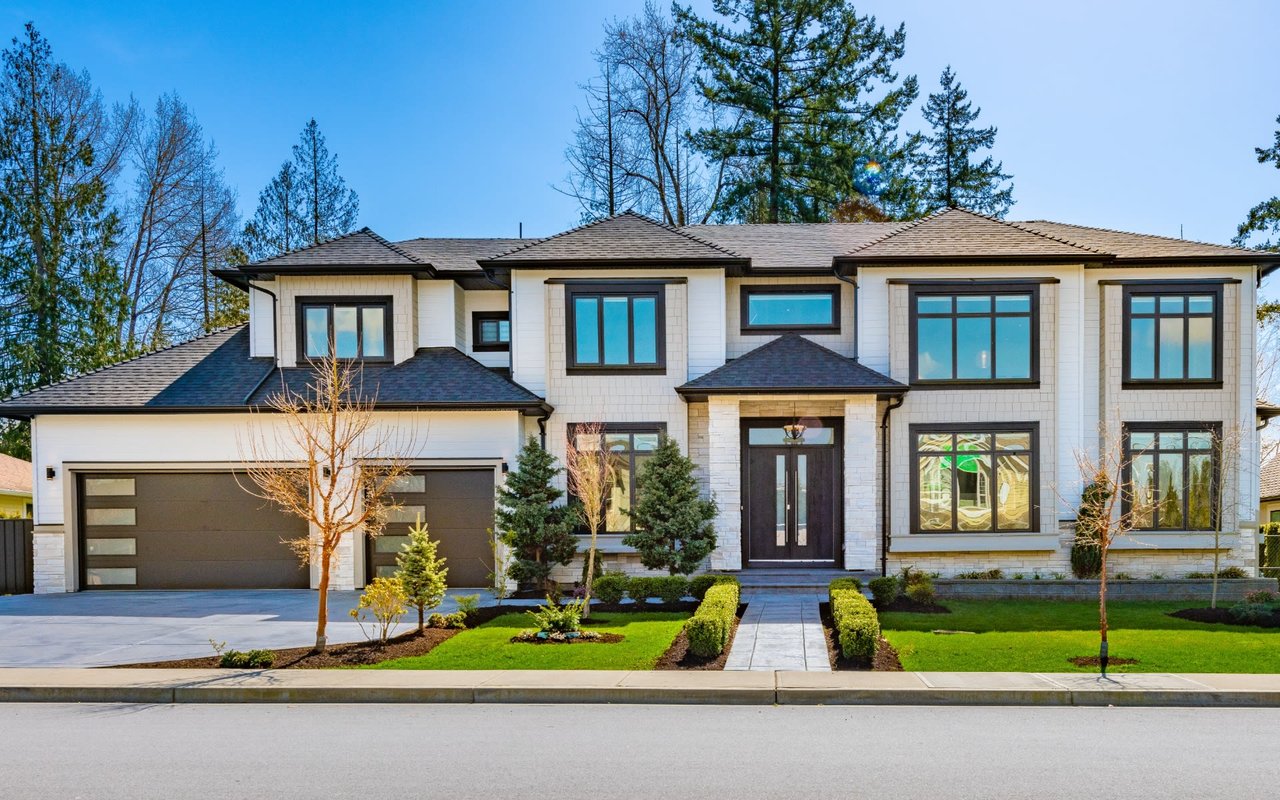
Buying a brand-new home can be exciting. You get modern finishes, new appliances, energy-efficient systems, and the opportunity to move into a home that has never been lived in before.
But buying new construction is different from buying an existing home.
There may be builder contracts, construction timelines, upgrades, allowances, inspections, financing considerations, and decisions that need to be made before the home is completed. What appears to be the base price can also increase significantly once you add upgrades and customization.
If you're considering buying a new construction home in New Jersey, understanding the process before you sign a contract can help you make informed decisions and avoid costly surprises.
Here are the most important things to know before buying new construction.
Top Tips for Buying a New Construction Home
Before purchasing a new construction home, take the time to understand the builder, the property, the contract, and your total costs.
Some of the most important steps include:
- Research the builder's reputation and completed communities.
- Bring your own real estate agent from the beginning.
- Get pre-approved for financing before shopping.
- Understand exactly what is included in the base price.
- Create a realistic budget for upgrades and closing costs.
- Plan for potential construction delays.
- Get independent inspections.
- Review the builder's contract carefully.
- Research the neighborhood and surrounding development.
- Complete a thorough final walkthrough before closing.
A new home may be brand new, but that doesn't mean you should skip the same due diligence you would use when purchasing an existing property.
New Construction vs. an Existing Home
One of the first decisions you'll need to make is whether new construction is right for you.
Advantages of New Construction
A new construction home may offer:
- Modern layouts
- New appliances and mechanical systems
- Energy-efficient construction
- New plumbing and electrical systems
- Modern kitchens and bathrooms
- Lower immediate maintenance needs
- Builder warranties
- The opportunity to select certain finishes and upgrades
For buyers who want a move-in-ready home with contemporary features, new construction can be appealing.
Potential Disadvantages
New construction can also come with challenges.
You may encounter:
- Construction delays
- Upgrade costs
- Builder-specific contracts
- HOA fees
- New construction taxes or assessments
- Less established landscaping
- Ongoing construction in the neighborhood
- Limited ability to negotiate certain terms
- Potential changes to the surrounding development
The right choice depends on your budget, timeline, lifestyle, and priorities.
Know the Four Types of New Construction
Not every new construction home is purchased the same way.
1. Spec or Inventory Homes
These homes are already completed or substantially underway.
The builder typically selects the finishes and features, although some options may still be available.
Potential benefit: You may be able to see exactly what you're buying and potentially move in sooner.
2. Semi-Custom Homes
You may be able to select certain finishes, flooring, countertops, cabinets, fixtures, and other options from the builder's available selections.
The floor plan may have limited customization.
3. Fully Custom Homes
A custom home generally provides significantly more flexibility regarding design and construction.
However, greater customization usually means more decisions, more variables, and potentially a higher overall cost.
4. Production Homes
Production builders typically construct homes according to established floor plans and specifications.
Buyers may select from a predetermined menu of options and upgrades.
Understanding which type you're buying will help you set realistic expectations regarding customization, pricing, and construction timelines.
Vet the Builder Before Anything Else
The builder is just as important as the floor plan.
Before signing a contract, research the builder's:
- Reputation
- Experience
- Completed communities
- Customer reviews
- Warranty history
- Quality of construction
- Communication with homeowners
- History of construction delays
- Financial stability
- Experience building in the area
Whenever possible, visit homes the builder has previously completed.
Look beyond the model home.
A beautifully decorated model is designed to showcase the builder's possibilities. It may contain upgrades that aren't included in the advertised price.
Ask what is standard versus what is considered an upgrade.
Bring Your Own Real Estate Agent
One of the most important things to know about buying new construction is that you can have your own buyer's agent.
Katherine Barrera from Coldwell Banker can help you:
- Review the purchase price
- Understand builder incentives
- Compare communities
- Evaluate upgrades
- Negotiate where possible
- Coordinate inspections
- Review timelines
- Communicate with the builder
- Navigate the transaction through closing
Importantly, bring your agent with you from the beginning.
Many builders have registration policies regarding buyer representation. If you visit a builder's sales office on your own and register without your agent, the builder may have specific rules regarding whether your agent can later become involved.
Having Katherine Barrera a professional representation from the start can help ensure that your interests are represented throughout the process.
Get Pre-Approved Before You Shop
Even when purchasing new construction, getting pre-approved for a mortgage is an important first step.
A pre-approval helps you understand:
- How much you may qualify to borrow
- Your estimated monthly payment
- How much cash you may need
- Your overall purchasing range
- Potential property taxes
- Whether you can comfortably afford upgrades
Remember that pre-approved does not necessarily mean comfortably affordable.
Your personal budget should account for your mortgage, property taxes, insurance, HOA fees, utilities, maintenance, and other expenses.
Understand What "Standard" Actually Means
One of the biggest surprises for new construction buyers is discovering how much isn't included in the advertised base price.
A model home may feature:
- Upgraded flooring
- Premium cabinets
- Quartz or upgraded countertops
- Designer lighting
- Larger islands
- Finished basements
- Additional bathrooms
- Upgraded appliances
- Custom fireplaces
- Enhanced trim
- Landscaping packages
The model home price may not reflect what you'll actually pay.
Ask the builder for a detailed standard features and upgrades list.
Before choosing a community, determine exactly what comes with the base price.
Watch Your Total Budget
The advertised purchase price is only part of the equation.
Your total budget may include:
Base price + lot premium + structural options + design upgrades + appliances + landscaping + closing costs + other expenses
Lot premiums can also make a significant difference.
For example, a lot with a larger backyard, desirable location, cul-de-sac position, or better views may cost considerably more than the base lot.
Create an Upgrade Budget
Before visiting the design center, establish a maximum amount you're comfortable spending on upgrades.
It's easy to become emotionally attached to upgraded finishes once you're sitting in a showroom.
Instead, prioritize.
Ask yourself:
Which upgrades will meaningfully improve how I live in the home, and which ones can I add later?
Plan for Delays
Construction timelines are estimates—not guarantees.
Weather, labor availability, materials, permitting, inspections, supply issues, and other factors can affect the completion date.
If you're selling your current home to purchase new construction, be especially careful about coordinating the two transactions.
Don't automatically schedule your existing home's closing based solely on an estimated new construction completion date.
Talk with your real estate agent and attorney about how to structure your plans around potential delays.
Negotiate Smarter
New construction doesn't always mean the price is completely non-negotiable.
Depending on market conditions, inventory, and the builder's goals, there may be opportunities to negotiate:
- Purchase price
- Closing cost credits
- Interest-rate incentives
- Upgrade packages
- Appliances
- Landscaping
- Lot premiums
- HOA-related costs
- Design upgrades
Sometimes a builder may be less willing to reduce the sales price but more willing to offer incentives.
For example, a builder may offer a closing-cost credit or mortgage-rate incentive through its preferred lender.
Compare the total financial value of the incentive rather than focusing only on the headline purchase price.
Construction Loans vs. Standard Mortgages
The type of financing you need depends on the type of new construction you're purchasing.
Buying From a Builder
If you're purchasing a home directly from a builder that is constructing the property, you may generally use a traditional mortgage.
However, the lender may need to coordinate the financing timeline with the construction schedule.
Building on Your Own Lot
If you're purchasing land and hiring a builder to construct a custom home, the financing process can be different.
A construction loan may be used to fund the construction process, with the loan potentially converting into permanent mortgage financing depending on the lender and loan structure.
Because financing structures vary, speak with a qualified lender early in the process.
Get Independent Inspections
New construction does not mean perfect construction.
An independent home inspection can identify issues that may need attention before closing.
Consider having inspections at different stages when appropriate, such as:
- Foundation or pre-drywall inspection
- Major systems inspection
- Final inspection
Your inspector may identify issues involving:
- Electrical work
- Plumbing
- HVAC
- Roofing
- Windows and doors
- Insulation
- Grading and drainage
- Structural components
- Finishes
Your builder may have its own inspection or quality-control process, but an independent inspector works for you.
Read the Builder's Contract Carefully
Builder contracts can be very different from standard resale purchase agreements.
Before signing, review the contract carefully with your attorney.
Pay attention to:
- Deposit requirements
- Cancellation provisions
- Construction timelines
- Completion dates
- Change orders
- Upgrade policies
- Builder allowances
- Warranty provisions
- Closing requirements
- Financing contingencies
- What happens if construction is delayed
- What happens if materials or finishes become unavailable
Don't assume that a builder's standard contract provides the same protections you might expect in a traditional resale transaction.
Understand Your Home Warranty
Most new construction homes come with some form of builder warranty, but warranties can vary significantly.
Understand:
- What is covered
- What isn't covered
- How long coverage lasts
- How to submit a warranty claim
- Which items are covered by the manufacturer
- Which issues are the builder's responsibility
Keep all warranty documents after closing.
If an issue appears after you move in, follow the builder's required process for submitting the claim.
Research the Neighborhood, Not Just the House
When purchasing new construction, you're not only buying a home.
You're buying into a community.
Research:
- Property taxes
- HOA fees
- Schools
- Commuting options
- Nearby shopping and restaurants
- Parks and recreation
- Traffic patterns
- Future development
- Planned roads
- Commercial development
- Nearby construction
- Public transportation
This is particularly important in developing communities because the neighborhood you see today may not be what it looks like several years from now.
Ask the builder and municipality about planned development around the property.
Lock Your Interest Rate at the Right Time
If you're purchasing a home that won't be completed for several months, your mortgage rate may not be locked for the entire construction period.
Ask your lender:
- When can the rate be locked?
- How long does the lock last?
- Is an extended rate lock available?
- What does the rate-lock extension cost?
- What happens if construction is delayed?
- Can the rate be renegotiated if rates fall?
If you're using the builder's preferred lender, compare the overall financing terms with other lenders.
Don't evaluate a lender solely based on the advertised interest rate. Look at the complete loan estimate and total costs.
Do a Thorough Final Walkthrough
Before closing, conduct a detailed final walkthrough.
This is your opportunity to make sure the home is substantially complete and that agreed-upon work has been addressed.
Check:
Interior
- Doors and windows
- Cabinets
- Flooring
- Walls and ceilings
- Appliances
- Plumbing fixtures
- Lighting
- Electrical outlets
- Heating and cooling
- Stairs and railings
Exterior
- Siding
- Roof
- Gutters
- Driveway
- Walkways
- Grading
- Drainage
- Landscaping
- Deck or patio
Also verify that agreed-upon upgrades and selections have been installed correctly.
Bring your inspection reports, purchase agreement, upgrade selections, and any change orders to the walkthrough so you can compare the finished home with what you purchased.
If something isn't complete, document it and discuss the appropriate next steps with your attorney and real estate professionals before closing.
Frequently Asked Questions
1. Is it worth buying a new construction home?
New construction can offer modern features, energy-efficient systems, new appliances, and less immediate maintenance. However, buyers should also consider upgrade costs, builder contracts, construction timelines, taxes, HOA fees, and other expenses when determining whether it fits their budget.
2. Do I need a real estate agent to buy a new construction home?
You can purchase directly through a builder, but having your own buyer's agent can provide representation and guidance throughout the transaction. If you want an agent involved, it's best to bring them with you from your first visit to the builder.
3. Can you negotiate the price of a new construction home?
Potentially. Negotiation depends on the builder, inventory, market conditions, and stage of construction. Builders may sometimes offer incentives such as closing-cost credits, upgrades, or financing incentives rather than reducing the base price.
4. Should I get a home inspection on a new construction home?
Yes. A new home can still have construction defects or incomplete work. An independent inspection can provide an additional layer of due diligence before closing.
5. How much should I budget for upgrades on a new construction home?
There isn't one universal amount. The cost depends on the builder, home, finishes, and level of customization. Establish an upgrade budget before visiting the design center and prioritize the improvements that matter most to you.
6. Can a new construction home be delayed?
Yes. Construction schedules can change because of weather, labor, materials, permitting, inspections, and other factors. Buyers should avoid making major financial or moving decisions based solely on an estimated completion date.
7. What should I ask a builder before buying a new construction home?
Ask about the builder's experience, what's included in the base price, upgrade costs, estimated completion date, warranty, HOA, property taxes, incentives, construction timeline, inspection policies, and what happens if construction is delayed.
Buying New Construction in New Jersey?
Buying a new construction home can be an exciting opportunity, but the process requires careful planning and due diligence.
From Westfield and Summit to Short Hills, Millburn, Berkeley Heights, New Providence, Chatham, South Orange, Watchung, and communities throughout North-Central New Jersey, new construction can vary significantly from one builder and development to another.
Before you sign a contract, make sure you understand the builder, the neighborhood, the total cost, the financing, the contract, the construction timeline, and exactly what you're purchasing.
The right guidance can help you approach the process with confidence and make informed decisions from the first builder meeting through the final walkthrough and closing.
Contact Katherine Barrera to schedule a consultation and take the first step towards a stress-free home buying experience with the best real estate agent in New Jersey.