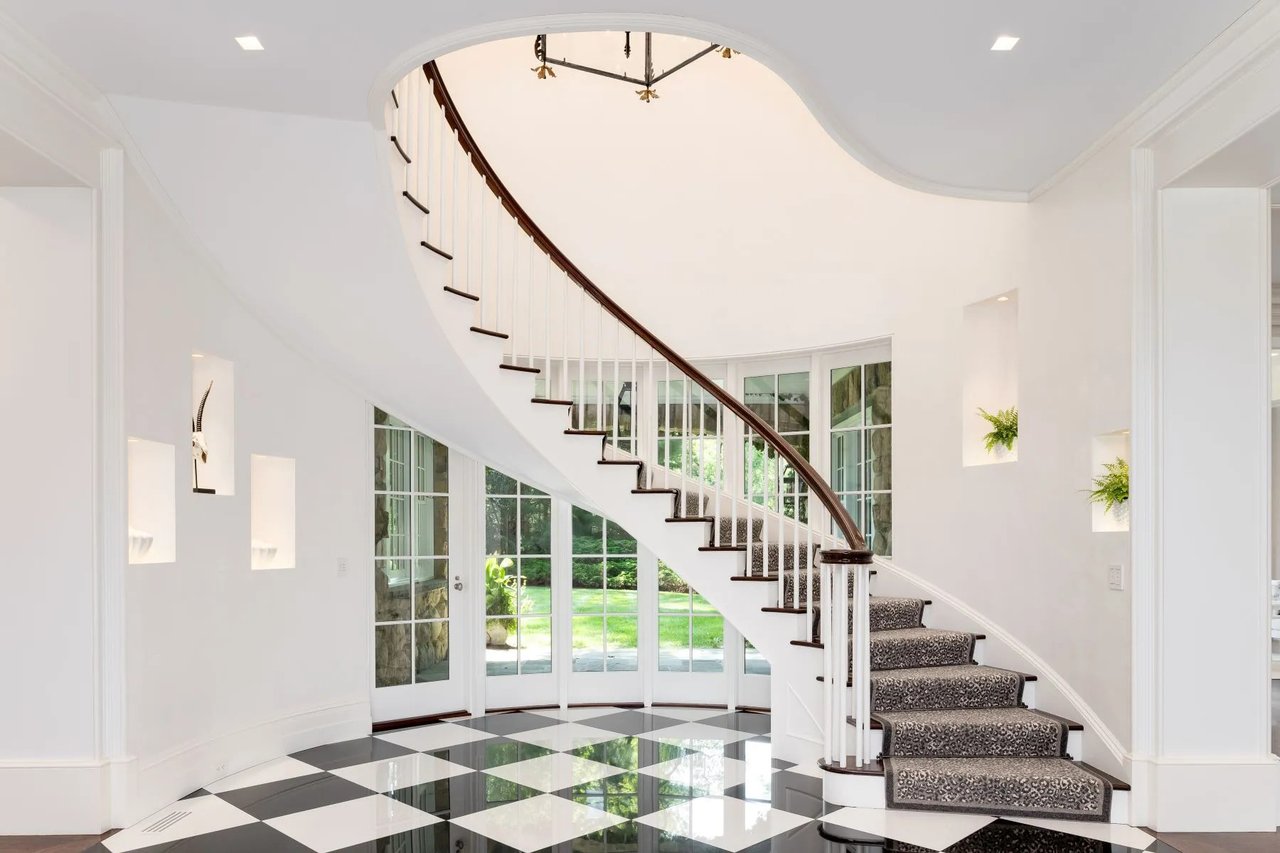
If you're planning to sell your home in New Jersey in 2026, especially in high-demand towns like Westfield, Summit, Chatham, or Millburn, your strategy before hitting the market can directly impact how fast you sell and how much you walk away with.
The truth is: most sellers don’t lose money because of the market… they lose it due to preventable mistakes.
This guide breaks down the biggest errors New Jersey homeowners make before listing and how to avoid them to maximize your home value.
Why Preparation Matters More Than Ever in the 2026 NJ Market
The New Jersey housing market remains competitive, but it’s also more price-sensitive and presentation-driven than in previous years.
Today’s buyers:
-
Are highly informed (they’ve seen dozens of listings online)
-
Expect move-in-ready homes
-
Compare value aggressively across towns and neighborhoods
If your home doesn’t stand out immediately, you risk:
-
Longer days on market
-
Price reductions
-
Lowball offers
1. Overpricing Your Home (The #1 Seller Mistake in NJ)
Many sellers believe pricing high “leaves room to negotiate.” In reality, it does the opposite. Setting an unrealistic list price for your home is one of the most common mistakes that sellers make.
Buyers have access to more listings than just yours. This means they can compare features and prices, and they don't like it when they sense they're being taken advantage of by an overpriced listing.
So your home will, most likely, sit on the market if it's overpriced. This is a problem. Why?
Buyers like new listings. If a home sits on the market too long, they start wondering what's wrong with it. Why hasn't that home gotten any offers? What have other buyers seen that they're not?
Even if you start slashing your asking price, it's too late. Your home has been tarnished with the "stale" brush. Buyers will either keep wondering what's wrong or go in thinking you're desperate.
Selling fast isn't just convenient. It's essential for getting the best price. And to sell fast, you need to start with a realistic asking price.
What actually happens when you overprice:
-
Your home sits on the market longer than comparable properties
-
Buyer interest drops significantly after the first 2 weeks
-
You end up making price reductions, which signals weakness
-
Final sale price is often lower than if priced correctly from the start
Hyper-local pricing matters
Pricing isn’t just about your town it’s about:
-
Your street
-
School zone
-
Property condition
-
Comparable sales within the last 60–90 days
For example, pricing strategies in Westfield differ from Chatham or Summit due to buyer demand, commute patterns, and inventory levels.
Work with an experienced real estate agent who knows the local market well and can conduct a comparative market analysis for you. Have them walk you through how factors like location, seasonality, market conditions, recent comps, and your home's unique features should affect your price. Get a pre-listing appraisal if you need one. This helps ensure that you set a competitive price right from the start.
2. Neglecting Pre-Listing Preparation
Skipping prep work is one of the fastest ways to lose buyer confidence.
Top issues that turn buyers off instantly:
-
Deferred maintenance (roof, HVAC, windows)
-
Cosmetic neglect (paint, flooring, outdated fixtures)
-
Signs of water damage or poor upkeep
Why this matters in NJ specifically:
New Jersey buyers often factor in high property taxes, so they expect the home itself to be in solid condition.
Smart pre-listing strategy:
-
Get a pre-listing inspection (optional but powerful)
-
Fix high-visibility issues first
-
Focus on ROI improvements (paint, lighting, landscaping)
Pro Insight:
A $5,000–$10,000 investment in prep can often return 2–3x in sale price.
3. Failing to Stage for Today’s Buyer
Staging isn’t about decorating it’s about marketing. It's no secret that first impressions matter. That's why, when it comes to selling your home, it's important not to neglect the power of staging. Not only can it help you stand out from other listings, but it also allows potential buyers to envision themselves in your space and establish a connection.
You can miss out on some major benefits when you don't consider how to stage your home to spark buyer interest:
What modern buyers want:
-
Bright, open spaces
-
Neutral tones
-
Functional layouts
-
“Move-in ready” feel
What happens without staging:
-
Buyers struggle to visualize living there
-
Rooms feel smaller or awkward
-
Online engagement drops
Key staging principles:
-
Remove personal items (photos, bold decor)
-
Use light colors to open up space
-
Rearrange furniture to improve flow
-
Add subtle lifestyle touches (plants, minimal decor)
Local insight:
In towns like Millburn and Summit, buyers are often relocating from NYC they expect a polished, turnkey presentation.
Put yourself in the shoes of someone who has never seen your home before. Make sure each room is clean and clutter-free while adding small touches like fresh flowers to create a cozy atmosphere.
Showing a house while still living in it? No excuse. It's tough, but you need to keep your home showing-ready at all times. It's entirely possible that the right buyer will call for a showing in an hour.
4. Weak Marketing Strategy
Putting your home on the MLS is not enough in 2026.
A strong NJ listing strategy includes:
-
Google SEO optimization (your listing should show up in search)
-
Zillow & Redfin exposure
-
Social media targeting (Instagram + Facebook ads)
-
Email marketing to local buyer databases
Why this matters:
The more exposure your home gets → the more demand → the stronger your offers.
Common mistake:
Hiring an agent who only relies on:
-
MLS
-
Basic photos
-
Passive marketing
What you want instead:
A proactive marketing system that creates competition.
5. Using Poor Listing Photos (Digital First Impressions Are Everything)
Over 95% of buyers start online.
If your listing photos don’t stand out, buyers won’t even schedule a showing.
Low-quality photos lead to:
-
Fewer clicks
-
Less engagement
-
Lower perceived value
High-quality visuals should include:
-
Professional photography
-
Video walkthroughs
-
Drone shots (if applicable)
-
Clean, bright editing
Result:
Homes with strong visuals can generate significantly more traffic and stronger offers.
6. Ignoring Timing and Market Conditions
Timing your listing properly can impact your final sale price.
Best time to sell in NJ:
-
Spring (March–June): highest demand
-
Early fall: serious buyers still active
Slower seasons:
-
Late summer (vacations)
-
Winter (except motivated buyers)
But here’s the key:
With the right pricing and marketing, homes can sell in any season.
7. Letting Emotions Cost You Money
Selling a home is emotional but the market is not. It's easy to get emotionally attached when selling a home. It's likely a place where you've built a lot of memories and made design choices, so it can be hard not to take things personally when potential buyers point out flaws in the property or seem uninterested.
It can also be all too easy to fall into the trap of "winning" against potential buyers. Trying to avoid every possible concession. Trying to penny-and-dime repair credits. Refusing to both take and give.
However, if you let emotion cloud your judgment while selling, it could cost you a great deal of money and take much longer than the average time on the market.
What's more important: that $2,000 repair credit they want to replace the old kitchen appliances, or not having the buyer walk away? If they walk, you might spend another month (or several) on the market, starting the process all over again as the "stale" timer ticks down, all the while paying utilities, property taxes, and other closing costs.
The best thing to do is focus on what matters most: getting an acceptable price for your home so you can move on to your next.
Common emotional mistakes:
-
Overvaluing your home based on memories
-
Rejecting strong offers too quickly
-
Taking negotiations personally
Best approach:
Treat your sale like a business transaction focused on:
-
Net profit
-
Timeline
-
Market conditions
Q&A: Selling Your Home in New Jersey (2026)
Q: What adds the most value before selling a home in NJ?
A: Paint, staging, landscaping, and minor updates typically provide the highest return on investment.
Q: Should I sell my home as-is in New Jersey?
A: You can, but expect lower offers. Even small improvements can significantly increase your final price.
Q: How long does it take to sell a home in NJ in 2026?
A: Well-priced homes in desirable towns can sell within 2–4 weeks, while overpriced homes may sit for months.
Q: Do I need a home inspection before selling?
A: It’s optional, but a pre-listing inspection can reduce surprises and strengthen buyer confidence.
Q: How do I get multiple offers on my home?
A: Correct pricing, strong marketing, and high demand exposure are key to creating competition.
Q: What is the biggest mistake NJ home sellers make?
A: Overpricing combined with poor marketing this leads to longer time on market and lower final sale price.
Final Thoughts: Sell Strategically for Maximum Profit
Selling your home in New Jersey is not just about listing it’s about positioning.
If done right, you can:
-
Sell faster
-
Attract stronger buyers
-
Maximize your final sale price
If done wrong, you risk leaving tens of thousands of dollars on the table.
Thinking About Selling in New Jersey?
If you're considering selling in Westfield, Berkeley Heights, Summit, New Providence, or surrounding Essex County areas, having the right strategy makes all the difference.
Contact Katherine Barrera today for a personalized home value and custom marketing plan designed to get you top dollar in today’s market.